Product Overview
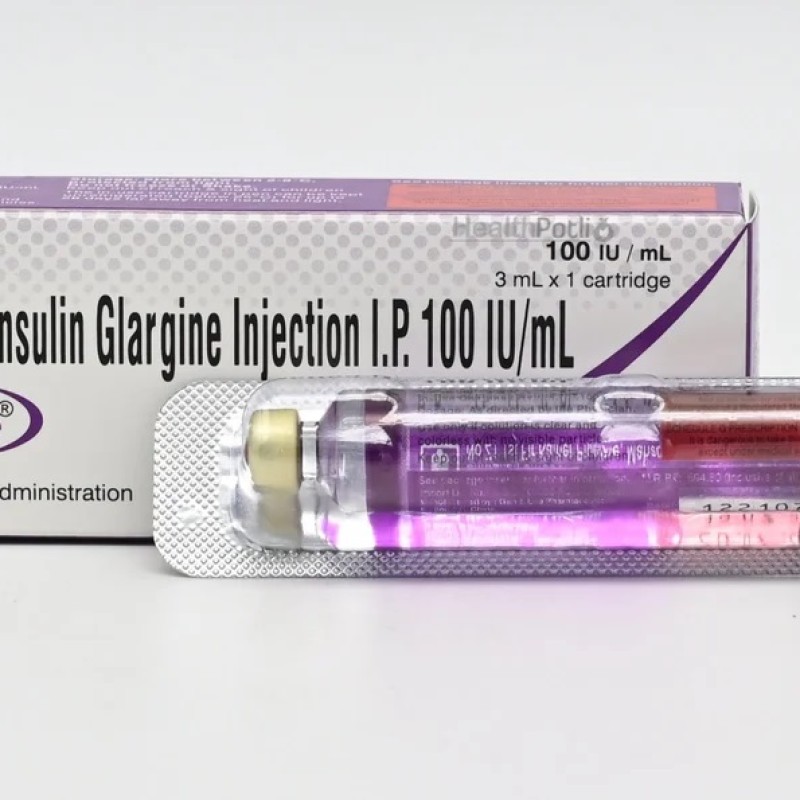
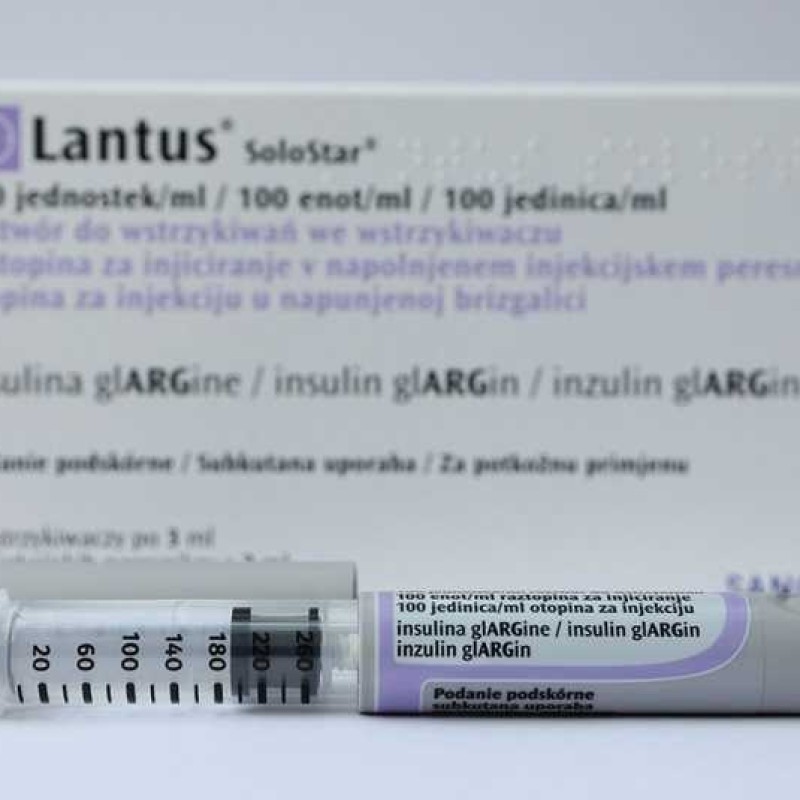
Lantus 100IU/ml Solution for Injection is a long-acting type of insulin used to treat type 1 and 2 diabetes mellitus in both adults and children. It provides a steady level of insulin in the body for an entire day and helps control blood sugar levels. This helps prevent complications associated with diabetes.
Lantus 100IU/ml Solution for Injection can be prescribed alone or in combination with fast-acting insulin or other diabetes medicines. Your doctor or nurse will teach you how to inject it under the skin correctly. You should use this medicine regularly per the dose advised to get the maximum benefit. If you stop taking it, your blood sugar levels may rise very high, which may put you at risk of serious complications. It is only a part of the treatment program that should include a healthy diet, regular exercise, and weight reduction, as your doctor advises.
The most common side effect of Lantus 100IU/ml Solution for Injection is low blood sugar levels (hypoglycemia). To prevent this, it is important to inject only the correct dose of medicine, have regular meals, and monitor your blood sugar levels regularly. Drinking excessive alcohol can also lead to a fall in your blood sugar levels. Other common side effects include peripheral edema, lipodystrophy, allergic reactions, injection site reactions, itching, rashes, and weight gain.
Do not use Lantus 100IU/ml Solution for Injection when you have low blood sugar levels. Before starting the treatment, inform your doctor if you have ever had kidney, liver, or heart problems. Pregnant or breastfeeding women should consult their doctor before using it.
Additional Information
Lantus 100IU/ml Solution for Injection is a man-made form of insulin that helps to control high blood glucose (sugar) levels. It replaces the insulin that is usually produced in the body. This allows the glucose into your cells so your body can use it for energy. Lowering blood sugar levels helps reduce the risk of getting any of the serious complications of diabetes, such as kidney damage, eye damage, nerve problems, and loss of limbs.
Most side effects do not require any medical attention and disappear as your body adjusts to the medicine. Consult your doctor if they persist or if you’re worried about them

All products displayed on 24seven are procured from verified and licensed pharmacies. All labs listed on the platform are accredited.

24seven uses Secure Sockets Layer (SSL) 128-bit encryption and uses safe and secure payment gateways.

Find affordable medicine substitutes, save up to 50% on health products, up to 80% off on lab tests and free doctor consultations.
As a startup, the goal of 24seven ePharma is to rise into the industry as the forefront of web-based pharmacy in Nepal. With our partnerships with various leading pharmaceutical companies, hospitals, clinics and certified doctors, we are looking at employing around 100 staff within the first year of establishment to cater to the needs of everyone residing in Nepal. 24seven is set up to grow as the leading pharmaceutical store providing complete medical products all over Nepal. Our physical store is located at Maharajgunj chowk, Kathmandu. As the country is going digital and medical products have always become an emergency needs for the people so, we have come up with the idea of providing health facilities online. We distribute wide range of pharmaceutical products to cure your disease effectively.